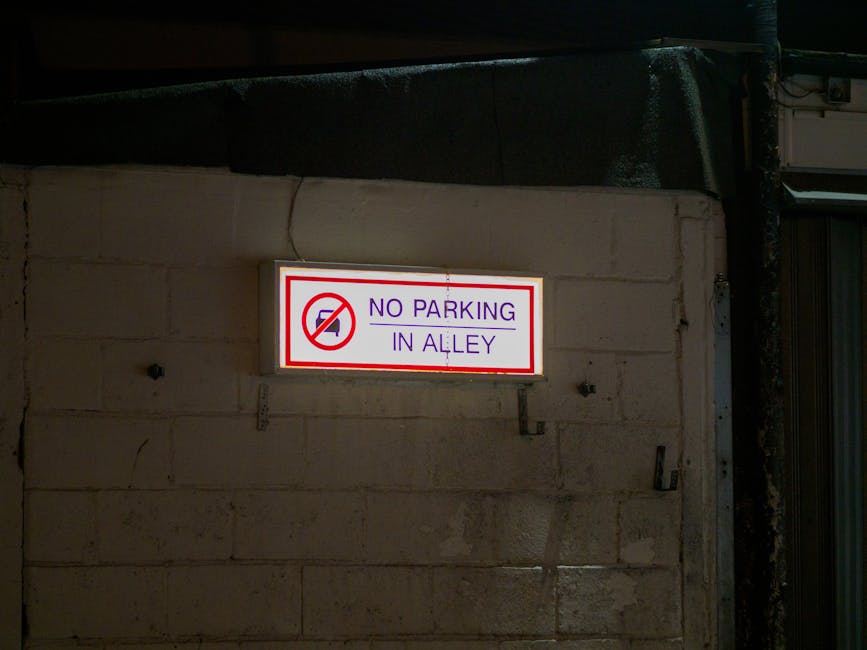
Avoid load bay fines in Nunhead: parking and suspension rules
If you are loading a van in Nunhead, the last thing you want is a yellow envelope on the windscreen or a penalty landing a few days later. Yet that is exactly what happens when parking, loading bay use, or suspension signs are misunderstood. Avoid load bay fines in Nunhead: parking and suspension rules is really about one thing: making a move, delivery, or pickup without getting caught out by a small detail that becomes an expensive one. In Nunhead, access can be tight, streets can be busy, and bays are often used for multiple purposes. That means you need a clear plan, not guesswork.
This guide breaks down the practical side of using loading bays, how suspension rules typically work, what to check before you park, and how to reduce the risk of fines when moving household items, furniture, or office kit. If you are already juggling boxes, timing, and stairs, the parking part can feel like a nuisance. Still, get this right and the rest of the day tends to fall into place much more smoothly.
For anyone preparing a larger move, it also helps to think ahead about packing and access together. A good place to start is an organised packing plan for house moves, because the less time you spend faffing about at the kerb, the less likely you are to overstay in a restricted space.
Table of Contents
- Why load bay fines matter in Nunhead
- How loading bay parking and suspension rules work
- Key benefits of planning parking properly
- Who this advice is for
- Step-by-step guidance for a safer load
- Expert tips that save time and stress
- Common mistakes to avoid
- Tools, resources and smart recommendations
- Law, compliance and best practice
- Options and comparison table
- Real-world example from a Nunhead move
- Practical checklist
- Conclusion
- Frequently asked questions
Why Avoid load bay fines in Nunhead: parking and suspension rules Matters
Loading bay rules are easy to underestimate. People often think, "I'm only here for ten minutes" or "the van is just outside the flat." But parking enforcement does not care that the sofa is heavy or that the lift is tiny. If a bay is restricted, suspended, time-limited, or shared with another parking control, the wrong decision can lead to a fine. In a place like Nunhead, where streets can be busy and space is limited, that risk climbs quickly.
The financial side is obvious, but the real cost is often the delay. One parked van in the wrong place can throw off the whole move: furniture waits on the pavement, neighbours get annoyed, and the crew starts losing time. To be fair, that is when a simple job starts feeling strangely chaotic. You know the moment. Keys in one hand, phone in the other, and someone asking where the trolley has gone.
It matters for more than removals too. Deliveries, student moves, office clear-outs, piano transport, and even short same-day jobs can all rely on loading access. If you understand the rules before arrival, you can reduce the chance of penalties and keep the move moving. Small detail, big difference.
How Avoid load bay fines in Nunhead: parking and suspension rules Works
In simple terms, a loading bay is a space intended for loading and unloading goods or passengers, usually under certain conditions. Those conditions may include time limits, vehicle type restrictions, active hours, or a requirement that loading is continuous and genuinely taking place. If there is a suspension sign, the bay may be temporarily unavailable for ordinary use, even if it looks empty. That is where people get caught out.
Suspension rules are usually tied to road works, removals, utility access, filming, building activity, or traffic management needs. A suspended bay may look usable at first glance, especially if it is empty on a quiet morning, but that does not mean it is available. Signs matter. So do dates, times, and the exact wording. If the bay is suspended, the suspension may override normal loading permission.
The tricky bit is that loading is not just about stopping. It is about whether the vehicle is actively used for loading, whether the activity is reasonable in duration, and whether the vehicle is positioned lawfully. That is why a few minutes spent reading the sign can save you a lot of bother later. If your route into the area is tight, it is worth checking a local access guide as well, such as small van access tips for Nunhead Lane and the Old Nuns Head, because street layout and turning space matter as much as the bay itself.
A practical rule of thumb: never assume a bay is available just because it is empty, and never assume a loading exemption covers everything. If you are unsure, treat the space as restricted until you have confirmed otherwise. Safer that way.
Key Benefits and Practical Advantages
Parking legally might sound dull, but the benefits are very real. The first is obvious: fewer fines. The second is just as important: smoother timing. If the van can stop where it needs to stop, the job happens faster, with less lifting across distance and fewer awkward handovers.
There are also hidden benefits that only become clear on moving day. You reduce pressure on the team, avoid blocking neighbours, and make it easier to carry heavy items safely. A short walk from the van to the front door is one thing; dragging a wardrobe from the far end of the street is another. On a rainy London morning, that difference can feel enormous.
- Less risk of penalty charges from parking or suspension breaches.
- Faster loading and unloading, which protects the schedule.
- Lower manual handling strain because the carry distance is shorter.
- Better customer and neighbour relations, especially in dense residential streets.
- More predictable moving-day costs, since delays often create knock-on expenses.
There is also a trust factor. If you are hiring help, a well-organised parking plan suggests the move itself will be handled properly. That sounds small, but people notice. It is part of the overall impression, and on a local move that matters.
Who This Is For and When It Makes Sense
This guidance is useful for anyone using a van in Nunhead, but especially for people carrying out time-sensitive or bulky moves. If you are moving from a flat with limited street access, replacing furniture, clearing a property, or managing a same-day job, the loading bay question becomes central very quickly.
It is also relevant if you are:
- a tenant moving in or out of a shared building;
- a landlord arranging a quick turnaround between occupiers;
- a student with a tight move-in slot;
- an office manager shifting desks or archive boxes;
- someone moving a heavy item such as a piano, sofa, or freezer;
- working with a man with a van in Nunhead for a local pickup or delivery.
It makes sense to give parking extra attention whenever access is uncertain. If the property has narrow streets, a steep frontage, or no off-street space, assume the kerbside plan is part of the job, not an afterthought. In older roads around Nunhead, that is usually the smart assumption.
Step-by-Step Guidance
Here is a practical way to handle loading bay parking and suspension rules without turning the day into a lottery.
- Check the street signs before the move. Read the bay sign, nearby restriction plates, yellow lines, and any temporary notices. Look for hours, loading conditions, suspension dates, and permit wording.
- Confirm the bay is actually available. If you can see a suspension notice, treat it seriously. If the wording is unclear, do not assume the space is fair game.
- Plan the arrival window. Build in extra time for parking, finding the bay, and getting the van positioned. A five-minute buffer is often not enough in a tight street.
- Assign one person to watch the vehicle. If someone is loading and someone else is parking, make sure the driver knows who is keeping an eye on the signs and bay status.
- Keep loading continuous. If the rules allow loading only while active, avoid long gaps. Standby time with nobody moving boxes can become a problem.
- Use the shortest safe carry route. Trolleys, blankets, and clear walkways reduce the need to leave the van hanging awkwardly in the road.
- Document the plan. A quick photo of the sign, the bay, and the van position can be useful if there is any later dispute.
If the move involves bulky furniture, it is worth aligning parking with your packing order. That is one reason our readers often pair this subject with advice on creating a seamless and stress-free moving day. The smoother the sequence, the less time the van sits in a sensitive spot.
And yes, sometimes the best step is simply not to force it. If the bay is uncertain or clearly suspended, find another lawful position and save yourself the headache. A minor detour is better than a fine and a bad mood.
Expert Tips for Better Results
The best advice is often the least dramatic. In our experience, the moves that run well are the ones where parking has been treated like logistics, not luck. Here are a few tips that make a real difference.
- Arrive slightly earlier than you think you need to. Traffic, school runs, and delivery vans all nibble away at the clock.
- Keep the bay sign visible in your own mind. Drivers sometimes park, then get distracted by the first few boxes. That is when a temporary loading window quietly expires.
- Use a smaller vehicle if the street is awkward. A compact van can be easier to position and less likely to block access. If you are unsure what size works best, route planning for removals via Rye Lane to Nunhead can help you think through approach roads and timing.
- Match the van to the load. Overfilling one large van can slow unloading. Sometimes two controlled trips are calmer than one overcrowded one.
- Keep a back-up plan. If the bay is unavailable, know the nearest lawful alternative before you start lifting.
One more thing. If the job is physically demanding, tired people make sloppy parking decisions. That is just human nature. A short break, a drink of water, and a clear plan can prevent a rushed mistake in the final twenty minutes.
Common Mistakes to Avoid
Most loading bay fines come from a small set of predictable mistakes. The good news? They are very avoidable once you know what to look for.
- Assuming an empty bay is usable. Empty does not mean unrestricted.
- Ignoring temporary suspension signs. These override normal expectations in many cases.
- Leaving the vehicle and then wandering off. If active loading is required, the van should not be left unattended for too long.
- Stopping in the wrong part of the bay. Some bays have directional or positioning rules, and these details can matter.
- Misreading time windows. Loading allowed in the morning is not necessarily allowed later in the day.
- Underestimating unloading time. A sofa with a tricky stairwell is not a "five-minute" item, not really.
People also make a simple mental error: they assume parking rules and loading rules are the same thing. They are not. A loading bay may allow brief stopping for loading only, while ordinary parking is still prohibited. That distinction is easy to miss when you are carrying boxes and thinking about the next doorway rather than the sign you passed twenty minutes ago.
Tools, Resources and Recommendations
You do not need a big kit to handle loading bay rules well, but a few practical tools make life easier. The first is a phone with decent battery life. Sounds obvious. It is obvious. Yet on moving day, phones die at exactly the wrong moment.
Useful items include:
- A printed or saved move plan with arrival time, van size, and contact numbers.
- A camera phone for photographing signs and bay conditions.
- A torch if the move starts early or finishes near dusk.
- Trolleys, blankets, and straps to reduce loading time and keep movement efficient.
- Gloves and sensible footwear for grip and safety, especially on wet pavements.
If the move is part of a larger home transition, planning resources are worth more than people realise. A tidy declutter can shorten loading time, while good packing reduces the number of trips in and out. If your home is full of surplus items, a four-week decluttering plan can take pressure off the actual moving day.
For bulky furniture and specialist items, the right handling matters as much as the parking. If you are moving a sofa or bed, related guidance like sofa storage advice and bed and mattress relocation tips can help you think through what should be moved first, what needs protection, and what can wait.
Law, Compliance, Standards, or Best Practice
Parking and loading restrictions in London are governed by local traffic controls, signs, and enforcement practice. The exact rules depend on the street, the bay marking, and any temporary suspension notice in force. Because these details can change, you should always rely on the signs and any local instructions at the time of the move rather than memory from a previous visit.
As a best practice, treat every restriction as live until proven otherwise. Read the signage carefully. Make sure the vehicle is doing genuine loading or unloading if that is the exemption you are relying on. Keep the process continuous where required. If the area is suspended, assume the suspension has priority over normal loading use unless stated otherwise.
For commercial or repeated work, a documented process is sensible. That might mean a checklist, a driver briefing, and a standard habit of photographing signs on arrival. It sounds a bit formal for a simple move, but it saves arguments later. And frankly, arguments with a parking notice are rarely worth the energy.
If you are using professional help, look for clear policies on vehicle access, timing, insurance, and safety. A reliable operator should understand the local streets, know how to work around restrictions, and be willing to adapt if the original plan does not suit the road conditions. That is part of sensible industry practice, not a bonus.
Options, Methods, or Comparison Table
Not every moving situation needs the same approach. Here is a simple comparison to help you decide what fits best.
| Approach | Best for | Pros | Watch-outs |
|---|---|---|---|
| Kerbside loading bay | Short local moves and direct loading | Fast access, minimal carry distance | Can be restricted, suspended, or time-limited |
| Alternative lawful street parking | When the bay is unavailable | Safer than forcing a restricted bay | May increase carry distance and time |
| Timed arrival with a small van | Narrow streets and tight access | Easier to position, less awkward manoeuvring | May require more trips if the load is large |
| Professional moving support | Bulky or time-sensitive jobs | Better coordination, fewer delays | Still needs a sensible parking plan |
There is no perfect option for every street. A small van may be brilliant one day and inefficient the next. A loading bay may be ideal for a quick job, then useless if suspended for works. The right answer depends on access, timing, and how much walking the team can realistically handle.
Case Study or Real-World Example
Picture a typical Nunhead flat move on a weekday morning. The occupier wants the van outside the building because the staircase is narrow and the furniture is heavy. The street has a marked loading bay, but there is also a temporary notice nearby due to local works. Easy to miss if you are rushing.
The first instinct might be to stop in the bay anyway because it is empty. But the sign is checked, the suspension is noticed, and the driver shifts to a lawful alternative a short walk away. It adds a few minutes to the start, yes, but it avoids the kind of fine that can sour the entire move. The team then uses trolleys, keeps the loading sequence tight, and finishes without further drama.
That little detour is the sort of decision people often regret not making earlier. It feels annoying in the moment. Later, it feels wise. The same pattern comes up in emergency situations too, where speed matters but access is uncertain. If you ever find yourself in that sort of rush, a resource like rapid-response removals in Nunhead shows why access planning and timing need to work together, not separately.
And if the road layout or property access is particularly awkward, planning around the street before the day is often more valuable than trying to fix things on the pavement. That is where local judgement matters. Quietly, but a lot.
Practical Checklist
Use this before the van arrives.
- Check all bay signs near the property.
- Look for temporary suspension notices and dates.
- Confirm loading hours and any time limits.
- Decide who will watch the vehicle and who will carry items.
- Prepare trolleys, blankets, straps, and gloves.
- Map a backup parking option nearby.
- Pack the first-load items together so unloading starts fast.
- Keep phone battery charged and volume on.
- Take a photo of the sign and the van position on arrival.
- Make sure the loading route to the door is clear.
If you are moving multiple rooms, also sort items by priority. Heavy or awkward things should not be buried behind loose bags and small boxes. A bit of order now means less standing around later, and that matters when the weather turns or the bay clock is ticking.
Conclusion
Avoiding load bay fines in Nunhead is not about memorising every possible rule. It is about reading the street properly, respecting suspension notices, and planning the move so the van can do its job without creating a second problem. In practical terms, that means checking signs early, allowing time for access, using the right vehicle, and not assuming an empty space is automatically available.
Get the parking right and the rest gets easier. The lifting feels shorter, the day feels calmer, and the whole move has a better rhythm. Truth be told, that rhythm is what people remember most. Not the paperwork, not the sign, but whether the day felt under control.
If you are preparing a move and want fewer surprises on the day, start by thinking about access, timing, and packing together. A little planning goes a very long way, and it gives you back some breathing room when things get busy.
Get a free quote today and see how much you can save.
Frequently Asked Questions
What counts as loading in a Nunhead loading bay?
Loading usually means actively moving goods into or out of a vehicle, not just stopping because it is convenient. If you are using the bay, keep the activity continuous and make sure the vehicle is genuinely being used for loading or unloading.
Can I park in a loading bay if I am only there for a few minutes?
Only if the bay rules allow it and the activity is genuinely loading-related. A short stop can still be a breach if the bay is suspended, outside the permitted hours, or not intended for the type of stop you are making.
How do I know if a loading bay is suspended?
Look for a temporary suspension sign or notice on or near the bay. Check the wording carefully, including dates and times. If the notice is unclear, treat the bay as restricted until you are certain it is available.
Do suspension signs override normal loading rights?
Usually, yes. A suspension is typically a temporary restriction that takes priority over ordinary bay use. That is why it is so important to read temporary notices rather than relying on the usual street setup.
What is the safest way to avoid a fine during a move?
Plan the parking first, arrive early, confirm the bay status, and have a backup option. If anything looks uncertain, choose a lawful alternative rather than forcing the issue. That one decision can save a lot of stress.
Are small vans easier to use in Nunhead streets?
Often they are. Smaller vans can be easier to position in narrower streets and may reduce the chance of blocking traffic. They are not always the best option for every load, but they can help in tight-access areas.
What should I do if the only bay near my property is suspended?
Use an alternative lawful parking place, even if it means a longer carry. It is usually better to protect yourself from a fine and keep the move legal than to risk the suspended bay because it looks convenient.
Do I need to keep the van with someone at all times?
In many loading situations, yes, it is wise to keep someone responsible for the vehicle and the timing. Not necessarily glued to the door, but close enough to respond if the situation changes or the bay rules become an issue.
How can I make loading quicker and safer?
Pack by room, keep heavy items accessible, use trolleys where suitable, and make sure the path from door to van is clear. Better organisation usually means less time in the bay and less risk of problems.
Does using a professional moving team help with parking rules?
Yes, it can. A good team should understand local access issues, time management, and the practical side of loading. That does not remove the need to check the signs, but it does make the day easier to handle.
What if I am moving in bad weather?
Rain, wind, and slippery pavements make delays more likely, so give yourself extra time and reduce the amount of unnecessary movement between the van and the property. Wet conditions are when rushed decisions tend to happen.
Is it worth planning the route as well as the bay?
Definitely. A sensible route can save time, reduce stress, and help the van arrive in the right place without awkward last-minute turns. In a place with tighter streets, route planning and bay planning go hand in hand.
Where does packing fit into parking planning?
Packing and parking are more connected than people think. If your first-load items are ready and grouped sensibly, the van spends less time standing in a restricted space. That makes the whole process cleaner and calmer.