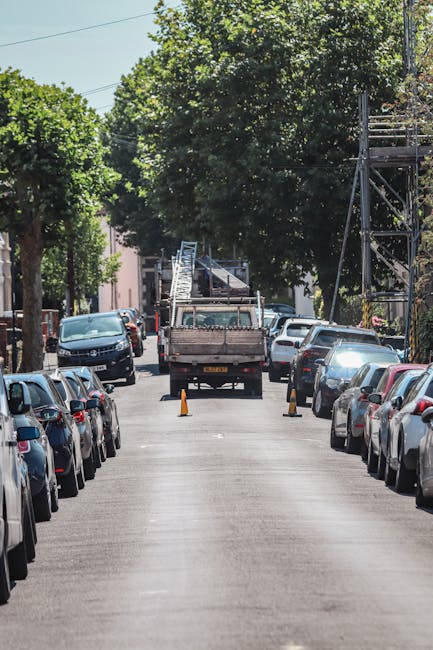
Linden Grove Nunhead removals access solutions for tight drives

If you are trying to move on or near Linden Grove in Nunhead, you already know the awkward bit is often not the packing box or the sofa. It is the access. Tight drives, narrow frontages, parked cars, awkward turns, and the general reality of SE15 streets can make a simple move feel anything but simple. That is exactly where Linden Grove Nunhead removals access solutions for tight drives come in: a practical approach to planning, vehicle choice, loading, timing, and on-street manoeuvring so the move happens cleanly and without avoidable stress.
This guide breaks down what those access solutions actually look like in real life, how they work, who needs them, and what to check before move day. If your driveway barely takes a van, or the kerb space is tight enough to make everyone hold their breath, this is for you. Let's make the hard part feel manageable.
Why Linden Grove Nunhead removals access solutions for tight drives Matters
Access problems sound minor until they derail a moving day. In a place like Nunhead, where streets can be busy, parking can be scarce, and driveway widths vary wildly from property to property, the margin for error is tiny. One poorly chosen van can block neighbours, delay loading, or force extra carrying distance. That does not just slow things down; it raises the risk of scratches, dropped items, tired handling, and an all-round miserable morning.
What makes Linden Grove especially sensitive is the mix of residential layouts you often find in this part of London. Some homes have short drives, some have shared access, and some have front gardens or gateposts that immediately complicate vehicle positioning. A standard "turn up and hope" approach is rarely enough. To be fair, hope is not a moving strategy.
Good access planning matters because it protects three things at once: your belongings, your time, and the street around you. When a move is planned for a tight drive properly, crews can position the vehicle safely, reduce carrying distances, and avoid the back-and-forth that drains energy. That is especially useful if you are moving with children around, older relatives, or a property full of awkward furniture.
There is also the neighbourhood factor. Nobody wants to be the house with a van blocking half the road while everyone else is trying to leave for work. A thoughtful setup keeps the move calm, quick, and courteous. And in real moving life, that counts for a lot.
How Linden Grove Nunhead removals access solutions for tight drives Works
At a practical level, access solutions are a combination of vehicle selection, pre-move assessment, timing, loading method, and communication. The aim is simple: match the vehicle and the moving plan to the actual space available, not the space you wish you had.
First comes the access check. This usually means looking at the width of the drive, the turning space at the road, any low walls or posts, overhead obstacles, and where the vehicle can stop without causing a nuisance. If the driveway is too narrow for a larger van, a smaller vehicle may be the better fit. In some cases, a larger van is parked nearby and items are transferred in stages by a smaller shuttle vehicle or carried carefully from the property to the loading point.
Next comes the packing and loading logic. Fragile items, long items, and furniture with awkward dimensions should be loaded in the order that best fits the available space. It sounds obvious, but it really does matter. A sofa that goes in last can suddenly become the thing that forces a re-think, and nobody enjoys doing furniture Tetris under pressure.
Then there is timing. On a tight road, an early start or a quieter window can make a big difference. If the street is calmer, the vehicle can position more safely and the crew can work without a stream of passing traffic. The difference between a smooth collection and a stressful one can be twenty minutes and a little breathing room.
Sometimes the solution includes extra equipment. Removal blankets, trolleys, straps, ramps, protective covers, and doorframe guards all help when the margins are tight. The point is not to overcomplicate things. It is to remove friction where possible, especially where the driveway or approach leaves no room for clumsy handling.
Key Benefits and Practical Advantages
The most obvious benefit is that a move becomes physically easier. Less carrying distance means less strain. Less awkward lifting means a lower chance of bumps and scrapes. That alone can save a surprising amount of time and energy.
Another benefit is predictability. If the access plan is right, the moving day feels controlled rather than improvised. You are less likely to have that slightly panicked moment where someone says, "Can we just reverse a bit more?" and everyone looks at the wall, the gate, and the parked car in silence.
There is also a cost angle. Access issues often increase time on site, and time can affect the final moving cost if the booking is charged by duration or labour. Solving the access challenge before the van arrives is usually cheaper than solving it during the move, which sounds blunt but is true more often than not.
Beyond that, access planning supports better protection of the property itself. Tight drives and narrow entrances can be unforgiving. With the right vehicle size and loading setup, there is less chance of clipping a gatepost, scuffing a wall, or marking paving slabs. That matters whether you are the homeowner, tenant, landlord, or managing agent.
Expert summary: the best access solution is not always the largest or most impressive vehicle. It is the one that fits the space, keeps the route clear, and lets the crew work without unnecessary manoeuvres. Simpler often wins.
Who This Is For and When It Makes Sense
This approach makes sense if you are moving from a property where the van cannot park directly outside, or where the driveway is too tight for a full-size removal vehicle. It is also useful if you are moving at a time when the street is busy, if neighbours already use the same narrow access point, or if you have bulky furniture that needs a careful exit route.
It is especially relevant for:
- homes with narrow drives or short front approaches
- properties with shared access or a tight side return
- period homes where gateposts or brick pillars reduce usable width
- flats or houses with limited kerbside stopping space
- families moving with lots of furniture and very little room to turn
- anyone booking a man and van or removals service for SE15 streets where parking is tricky
If you are comparing services, it also helps to know whether the provider offers flexible vehicle options. For example, some people only need a straightforward man with a van approach, while others need broader support. You can review the general service range on removal services or compare with man with van options depending on the size and complexity of the move.
When does it make less sense? If you have generous off-street parking, a straight approach, and room to load safely without blocking anyone, you may not need a specialised access plan. Still, a quick check never hurts. Streets change, neighbours park differently, and what looked easy on a Tuesday evening can be very different on moving day at 8am.
Step-by-Step Guidance
Here is the practical version. No drama, just a sensible order of operations.
- Measure the access properly. Check the drive width, gate opening, turning space, and the distance from vehicle to door. If you do nothing else, do this. A tape measure and a few photos taken from the street can save a lot of confusion later.
- Identify obstacles. Look for low branches, lamp posts, cars that often park outside, uneven paving, tight bends, or steps. Even a small lip at the entrance can matter when a trolley is involved.
- Match the vehicle to the space. A smaller van may be the smarter choice if the road is tight. If the load is large, ask whether the move can be split across vehicles or handled in stages.
- Plan the loading order. Load the easiest and most awkward items in a sequence that suits the vehicle layout. Beds, wardrobes, sofas, and appliances usually need forethought.
- Protect the property. Use blankets, floor protection, door guards, and careful spotter guidance when reversing or turning. One person watching clearances is worth their weight in tea.
- Allow buffer time. Access takes longer than people expect. Build in a margin so the move does not become a race against the clock.
- Confirm parking and stopping arrangements. If the vehicle needs to wait nearby or load from the kerb, make sure the plan is realistic for the street at that time of day.
- Review the final route from door to van. It sounds small, but the path matters. A clear route can mean the difference between a controlled lift and an awkward shuffle around bins, bikes, or planters.
A useful habit is to walk the route with your phone camera before move day. Two or three photos from different angles often reveal the real issue straight away. Is the problem the width? The turning angle? Or the fact that the front bay is just a bit too short? Once you know that, the solution gets a lot easier.
Expert Tips for Better Results
In our experience, the best access jobs are won before the van arrives. That starts with honest information. If you think the entrance is "a bit tight", say that. If the slope is steeper than it looks, mention it. If the road gets congested between school run times and late morning deliveries, say so. Honest detail helps plan the right vehicle and crew approach.
Here are the tips that make a difference:
- Use photos, not just descriptions. A picture of the drive from street level is far more useful than "it should be fine".
- Measure the narrowest point. Gateposts often reduce usable width more than the drive itself.
- Think about the full turn radius. A van may fit in the drive but still struggle to swing in safely.
- Check where the doors open. Some parking positions leave no room for side doors to open fully.
- Keep non-essential clutter clear. Bins, bikes, plant pots, and garden furniture all get in the way faster than people expect.
- Use a smaller vehicle if it reduces risk. Two neat loads can be better than one messy one.
- Have one person coordinate the move. Too many voices at the tight spot can create confusion.
One small but useful point: if the access is tight and the property has fragile walls or decorative stonework, extra caution around mirrors and long items is worth it. Those surfaces do not forgive careless angles. Not even a little.
If you need help with protective handling and loading support, services like packing and unpacking services can help reduce the number of loose items at the point of exit, which often makes a tight move feel much calmer.
Common Mistakes to Avoid
There are a few repeat offenders here, and they are all avoidable if you know what to look for.
- Assuming a van will "probably fit". Probability is not a plan.
- Ignoring turning space. Many problems appear not when the van is parked, but when it needs to leave again.
- Not checking street parking pressure. A clear bay at 7am may be full by 9am.
- Leaving bulky items until last. That is how the awkward sofa becomes a full stop in the day.
- Forgetting access to both properties. Both the collection and delivery addresses matter.
- Overloading one person with coordination. It is hard to manage lifting, timing, and traffic at the same time. Hard and a bit silly, truth be told.
Another common mistake is not being realistic about weather. A wet drive, a damp pavement, or icy patches can turn a tight access point into a slower, more careful operation. Not a disaster, just something to plan for. It is those small, practical checks that protect the move.
Tools, Resources and Recommendations
You do not need a shed full of specialist kit, but the right basics really help.
| Tool or resource | Why it helps | Best use case |
|---|---|---|
| Measuring tape | Confirms drive width, gate clearance, and furniture dimensions | Any move with narrow access |
| Phone camera | Captures angles, obstacles, and street context clearly | Pre-move assessment and sharing photos |
| Removal blankets | Protects furniture and interior surfaces | Long items, corners, and tight doorways |
| Furniture straps | Improves control during lifting and loading | Large or heavy items |
| Trolley or sack truck | Reduces carrying strain over short distances | Boxes, appliances, and repetitive loads |
| Floor protection | Helps prevent scuffs on hallways and thresholds | Homes with delicate flooring or narrow entries |
For a broader understanding of move planning, it can also help to look at general removal guidance such as removals and home moves. If you are dealing with a smaller load or a simpler route, man and van removals may be a better fit than a larger setup.
There is also value in reading practical local advice before you book. Topics like parking, loading, and route planning can save you the sort of last-minute stress that makes people stare into the middle distance and mutter about moving house being a terrible invention.
Law, Compliance, Standards, or Best Practice
For residential moves in London, the big compliance issues usually come down to safe working, lawful parking, considerate loading, and sensible property protection. Exact rules can vary by street and by local authority arrangements, so it is worth treating access as something to confirm rather than assume.
Best practice usually includes:
- checking whether any parking suspension or loading restrictions apply
- avoiding blocking driveways, crossings, or emergency access
- using safe lifting methods and suitable manual handling techniques
- protecting communal areas, pavements, and property surfaces
- making sure the crew knows any hazards before arrival
Where access is very tight, good communication is part of safety. That is not just a nice-to-have. If the van has to stop partly on the road, the crew needs a plan for visibility, reversing, and keeping the work area as controlled as possible.
It is also sensible to make sure your chosen provider has clear insurance and safety processes. For reassurance, you can review insurance and safety and the company's health and safety policy. Those pages are useful because they tell you how seriously a provider treats the practical risks that come with a tight-access move.
In a busy area like Nunhead, a courteous, well-managed move is not just professional. It is the right way to work.
Options, Methods, or Comparison Table
There is no single right answer for every tight drive. The best method depends on the property, the load, and how much manoeuvring space you really have. Here is a straightforward comparison.
| Method | Best for | Advantages | Trade-offs |
|---|---|---|---|
| Small van access | Very narrow drives or tight road positions | Easier manoeuvring, less street disruption | May require more than one trip |
| Standard removal van | Moderate access with some turning room | Good balance of capacity and practicality | May be too large for some drives |
| Shuttle loading | When the main vehicle cannot park at the property | Flexible and safer for constrained streets | Extra handling and time |
| Staged loading | Bulky loads in awkward properties | Reduces congestion at the entrance | Needs planning and coordination |
If you are weighing up the options, think about what matters most on the day: speed, safety, or simplicity. Often the best answer is a balance of all three. A smaller, well-managed move can be better than a larger, more ambitious one that becomes fiddly halfway through.
For example, if the driveway is tight but the property load is light, a man and van arrangement may be ideal. If the move is fuller and includes multiple large items, a more comprehensive approach under house removals may give you a more controlled result.
Case Study or Real-World Example
Picture a typical SE15 moving morning. The house sits on a narrow residential street near Nunhead, with a short drive that looks manageable until you line up a van against it. The gateposts are just close enough to make a bigger vehicle awkward, and there is usually a car parked opposite. Nothing dramatic. Just enough to make the move feel fiddly.
In that kind of situation, the sensible approach is to use a smaller van, keep the loading list tight, and create a clear route from the front door to the vehicle. The crew checks the entrance in advance, moves fragile items first while everyone is fresh, and protects the narrowest points with blankets and careful spotting. The result is not flashy. It is calm. Items come out without rushing, the van departs without drama, and the street stays useable for neighbours.
That is the thing about access solutions: done well, they look almost boring. And honestly, boring is excellent on moving day.
We have also seen the difference a local route plan can make when traffic patterns are considered. If the vehicle approaches from a better angle, or arrives before the street fills up, the whole operation becomes smoother. That timing can matter almost as much as the van size itself.
Practical Checklist
Use this checklist before move day. It is simple, but it catches the issues that usually cause trouble.
- Measure driveway width and gate opening
- Check the turning space in and out of the property
- Photograph the access route from road to door
- Note any low walls, posts, steps, slopes, or tight corners
- Confirm where the van can stop safely
- Check if parking restrictions or busy times may affect loading
- Tell the crew about large, fragile, or awkward items
- Clear bins, bikes, plant pots, and clutter from the route
- Protect floors, doorframes, and corners
- Decide whether a smaller van, shuttle move, or staged loading makes sense
- Keep keys, access codes, and contact details ready
- Build in a little extra time, just in case
If you want a broader moving plan alongside access planning, it can help to read about crafting an organized packing plan for house moves and creating a seamless and stress-free moving day. The two together make a surprisingly strong combination.
Conclusion
Linden Grove Nunhead removals access solutions for tight drives are really about one thing: making a constrained space work in the real world. Not every move has wide parking, a generous turning circle, or room to spare. But with the right vehicle, good timing, clear measurements, and a sensible loading plan, even a tricky access point can be managed well.
The main lesson is simple. Do not leave access to chance. Check it, picture it, measure it, and plan around it. That small bit of preparation can save time, protect your furniture, and keep the day calmer for everyone involved. And when the van pulls away cleanly, with no scraped gatepost and no last-minute panic, you will be glad you took it seriously.
Get a free quote today and see how much you can save.
If you are comparing options or want a provider that understands tight local access, start with the team overview at about us and then make the next step from there. A careful move is a better move, full stop.
Frequently Asked Questions
What are Linden Grove Nunhead removals access solutions for tight drives?
They are the practical methods used to move home contents safely when the driveway, road, or turning space is too tight for a straightforward van load. That can include smaller vehicles, shuttle loading, careful timing, and protective equipment.
How do I know if my driveway is too tight for a removal van?
If the van would struggle to turn in, reverse out, or open side doors safely, the access is probably too tight for a standard setup. Measuring the narrowest point and checking the turning space usually gives a clear answer.
Should I choose a smaller van for a narrow drive?
Often, yes. A smaller van is usually easier to manoeuvre on tight residential streets and can reduce the risk of damage. The downside is that you may need more than one trip, so the right answer depends on the load size.
Can a removal team work if the van cannot park directly outside?
Yes, if the load is manageable and the walking route is safe. In that case, the team may use a shuttle approach or load from the nearest practical stopping point. It just needs a bit more planning.
Do I need to measure the access before booking?
It is a very good idea. Even rough measurements, plus a few photos, help a provider choose the right van and plan the move properly. That saves time and avoids avoidable surprises.
What should I send a removals company about my tight drive?
Send photos of the entrance, the narrowest point, the road outside, and any obstacles like posts, walls, steps, slopes, or parked cars. A short written note about timings and parking pressure also helps.
Will tight access make my move more expensive?
It can, depending on how much extra time or handling is needed. Sometimes the best way to control cost is to plan access well so the crew can work efficiently rather than improvising on the day.
What furniture is hardest to move through a tight access point?
Large sofas, wardrobes, beds, appliances, and anything with awkward angles tend to be the hardest. These items benefit most from good route planning and the right protective gear.
How can I prepare my property for a tight-drive removal?
Clear the route, move bins and bikes, protect floors and doorways, and make sure the van route is free from clutter. If needed, trim the job down by packing and stacking items neatly before the crew arrives.
Are there safety or parking issues I should think about in Nunhead?
Yes. In busy parts of SE15, parking pressure, loading restrictions, and safe stopping positions matter. It is sensible to check the street conditions in advance and plan the move around them.
What if the access is worse than I expected on moving day?
Stay calm and reassess the setup. A smaller vehicle, a different stopping point, or a staged carry may solve the issue. Good crews adjust rather than forcing a risky manoeuvre.
Is a man and van service enough for a tight drive move?
Sometimes, yes. If the property load is moderate and the access is difficult, a flexible man and van setup can be ideal. For fuller houses, a more comprehensive removals service may be a better fit.