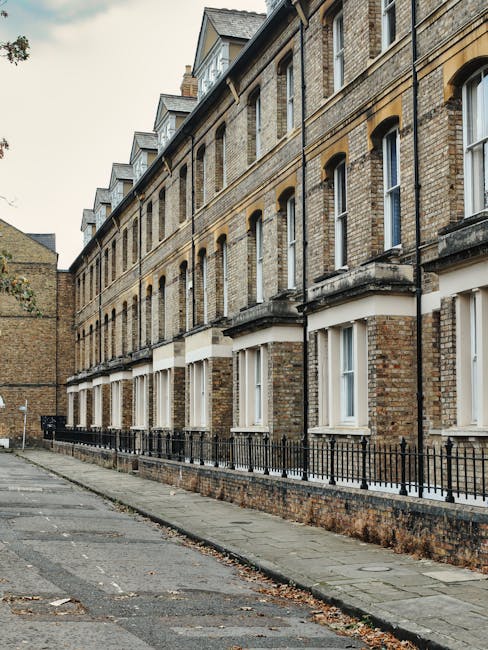
Nunhead Lane moves: Checklist for flats near Nunhead Station

If you are planning a move on Nunhead Lane, especially into or out of a flat near Nunhead Station, the details matter more than people expect. A straightforward house move can become a bit fiddly once you add narrow stairwells, parking pressure, shared entrances, lift access, and the usual London timing realities. This guide to Nunhead Lane moves: Checklist for flats near Nunhead Station is here to make the whole thing feel manageable, not overwhelming.
Truth be told, most moving stress comes from the small stuff being left too late. Keys, access, measurements, permits, cleaning, box labels, and the question of how you are getting a sofa through a staircase that seems to have been designed by someone with a grudge. We will walk through the practical checklist, the likely pinch points, and the best way to plan your move so moving day feels orderly rather than chaotic.
By the end, you will know what to do, when to do it, and how to avoid the classic mistakes that slow flat moves down.
Why Nunhead Lane moves: Checklist for flats near Nunhead Station Matters
Flat moves near Nunhead Station tend to be more sensitive to timing and access than people first assume. A one-bedroom flat can still involve multiple trips, shared hallways, awkward corners, and neighbours who would quite like the staircase kept clear. If you are moving during school-run hours or a busy weekday morning, even a short route can feel busier than expected.
This checklist matters because it helps you think like a mover before moving day arrives. That means spotting the pinch points early: whether the van can stop close enough, whether you need to protect communal flooring, whether there is a lift, and whether your new place is actually ready for boxes before the van turns up. Easy stuff to forget. Expensive stuff to forget too, sometimes.
It also matters because flats often need a slightly different approach from houses. You are not just moving belongings. You are managing shared access, keeping time windows tight, and reducing disruption in a building where other people still need to get on with their day. The smoother you plan it, the less everyone feels the strain.
How Nunhead Lane moves: Checklist for flats near Nunhead Station Works
At its simplest, a good flat move follows a rhythm: prepare, confirm access, pack smart, protect the building, move in stages, then settle quickly. The checklist is designed around that rhythm. It helps you move from broad planning into practical action, without leaving everything to the last 48 hours.
In a real-world Nunhead Lane move, that usually means checking the route to the property, confirming parking arrangements, measuring larger furniture, and deciding whether you need extra help with loading, unloading, or heavy items. If you are using a man with a van style service, the job may be perfectly suited to a smaller, flexible setup. If you are moving a full flat with bulky furniture and multiple boxes, a more complete removal services approach may be a better fit.
The checklist works because it breaks the move into decisions you can actually act on. Not vague advice. Actual decisions. For example:
- Can the vehicle park close enough without blocking access?
- Do you need to reserve a lift or tell building management in advance?
- Which furniture needs disassembly before moving day?
- Have you packed essentials separately so the first night is painless?
- Is there a sensible order for loading, so the heaviest items do not trap the lighter ones?
Once those questions are answered, the rest of the move usually feels less like a scramble and more like a sequence. Not perfect, of course. Moves rarely are. But much calmer.
Key Benefits and Practical Advantages
A solid move checklist saves time, reduces damage risk, and cuts down on decision fatigue. That last one matters more than people think. On moving day, you do not want to be making ten tiny choices every five minutes. You want decisions already made.
Here are the main advantages of planning a flat move properly:
- Less stress: You know what is happening before the van arrives.
- Fewer delays: Access, parking, and packing are sorted in advance.
- Lower damage risk: Furniture, walls, and communal areas are better protected.
- Better coordination: Everyone knows their role, from friends helping out to the driver handling loading.
- Smoother first night: Essentials are easy to find, which is a relief when you are surrounded by boxes and someone has misplaced the kettle.
There is also a quieter benefit: confidence. When you know your move has been thought through, you stop reacting to every little problem like it is a crisis. A missing box? Annoying, yes. The end of the world? No.
For many people, especially if they are moving into their first flat near Nunhead Station, that confidence is worth a lot. It makes the whole transition feel more settled from the start.
Who This Is For and When It Makes Sense
This guide is useful if you are:
- moving into a studio, one-bed, or shared flat near Nunhead Station
- leaving a flat on Nunhead Lane with stairs, limited parking, or a tight hallway
- moving with a partner, housemate, or family member and need a clear division of tasks
- downsizing and trying to decide what furniture is actually worth moving
- using a local vehicle-based move and want to avoid last-minute surprises
- planning a weekday or weekend move around work, transport, or building access rules
It makes sense whenever the property layout or local logistics could complicate the move. If your flat is on an upper floor, if there is no lift, or if the road space is tight, planning becomes more important. Same story if you have large items like wardrobes, bed frames, exercise equipment, or a heavy sofa that looked smaller in the shop than it does in your hallway. Funny how that happens.
The guide also helps if you are comparing service options. Perhaps you are deciding between a simple vehicle-only move and a more hands-on service with loading support. That is where a little structure helps you choose properly, rather than just picking whatever sounds easiest on the day.
Step-by-Step Guidance
Let us keep this practical. If you follow the sequence below, you will cover the major moving tasks in a sensible order. No drama, no overthinking.
1. Confirm your move date and access window
Start by checking when you can collect keys, when you can hand back your old place, and whether there are any building access rules. In a flat move, timing is often the first thing that causes knock-on problems. If the new property is not ready, the van ends up waiting. If the old property has a strict handover time, you can feel rushed. Build a little margin into the plan if you can.
2. Measure the awkward items first
Doors, stair turns, lift dimensions, and especially sofas deserve attention early. Measure the widest furniture pieces and compare them with the narrowest points of both properties. If something looks borderline, disassemble it before moving day. It is far easier to remove a bed frame in daylight than to wrestle with it while everyone is tired and somebody is muttering, "It should fit... surely?"
3. Sort parking and loading access
Flat moves near stations and busy residential streets often depend on the van stopping in the right spot at the right time. Work out where loading is easiest and whether any restrictions might apply. Even without getting technical, this is the sort of detail that can shave a surprising amount of time off the day.
4. Pack by room and by priority
Use room-based labelling, but also think about priority. You want an essentials box for the first night, the first morning, and the basic bits of life that nobody wants to hunt for at 10 p.m. That means toiletries, chargers, medication, a towel, clean bedding, tea or coffee, and a few kitchen basics. If you are the kind of person who gets grumpy without a mug in sight, this box is non-negotiable.
5. Protect the flat and communal areas
Use blankets, door guards, floor protection, or whatever is appropriate for the property. Communal entrances and hallways can take a beating during a move if you are not careful. A quick bit of protection is usually cheaper and less awkward than dealing with scuffed paint or marked flooring afterwards.
6. Load in the right order
Heaviest items usually go in first, with careful stacking so lighter boxes are not crushed. Keep fragile items separate and make sure the driver or helper knows what needs attention. The goal is not just to get everything in the van. It is to get it there in one piece and in a sensible unloading order.
7. Unload with the first-night setup in mind
When you arrive, place essentials where they belong straight away. Bed parts in the bedroom, kettle and mugs in the kitchen, toiletries in the bathroom, chargers near sockets. That little bit of order makes the flat feel usable much earlier. You will notice the difference almost immediately.
8. Check the old and new flat before you leave
Do one last walk-through. Check cupboards, sockets, windows, meter readings if relevant, and any items stored in odd places. People forget shelves, balconies, and top cupboards all the time. It happens. More often than you would think.
Expert Tips for Better Results
Over time, the best moves tend to have one thing in common: they reduce uncertainty. That is the whole game.
- Keep the essentials box visible. Do not bury it in the van.
- Photograph your furniture before dismantling. It helps during reassembly.
- Leave a small buffer between jobs. Back-to-back timings are where stress creeps in.
- Label boxes by destination room and content type. "Kitchen - glassware" is better than just "misc".
- Use soft items well. Towels, blankets, and bedding can protect surfaces and fill awkward gaps.
- Ask one person to manage keys and one person to manage communications. Too many voices, and small details get lost.
One practical local tip: if your flat is close to Nunhead Station, think about the rhythm of the street at different times of day. A move can feel far easier if you are not competing with the heaviest foot traffic. Early starts can be a blessing. Not always fun, but effective.
And yes, sometimes the smartest move is to pay for help with the heavy lifting. Nobody wins a medal for carrying a wardrobe down three flights of stairs with a bad grip and a bad mood.
Common Mistakes to Avoid
Most moving mistakes are very ordinary. That is what makes them frustrating. They are easy to avoid, but only if you spot them early.
- Leaving packing too late: Rushing makes breakages and confusion more likely.
- Ignoring access restrictions: A flat move can stall if parking or entry is not sorted.
- Not measuring large items: One awkward sofa can derail the entire day.
- Forgetting the essentials box: First night comfort matters more than people admit.
- Assuming the new place is move-in ready: Clean it, check it, then move in.
- Overloading one helper: Even the keenest friend tires out after enough stairs.
Another common one is underestimating how long the final clean will take. Flats often need a surprisingly careful tidy-up, especially kitchens, bathrooms, and storage cupboards. If you leave that job until the last half-hour, you will feel it. Hard.
Also, do not leave paperwork and keys to the end. Small admin tasks have a way of becoming giant annoyances when you are already tired.
Tools, Resources and Recommendations
You do not need fancy equipment for a decent flat move, but a few basics make life much easier.
- Strong boxes: Use good-quality boxes that will not collapse on the first staircase.
- Packing tape and labels: Simple, but absolutely essential.
- Furniture blankets or covers: Helpful for protecting doors, tables, and painted surfaces.
- Trolley or sack truck: Useful for heavier items, especially if there are multiple trips.
- Tools for dismantling: Keep Allen keys, screwdrivers, and screws together in one clearly marked bag.
- Cleaning kit: A small set of wipes, cloths, bin bags, and spray cleaner can save a lot of faff.
If you want a broader moving service, look at home moves for a fuller move plan, or consider packing and unpacking services if you would rather save time and reduce the mental load. For people who want to keep the move lighter and simpler, a removal van can be a practical middle ground.
It is also worth checking business basics before booking anything. A trustworthy mover should be able to explain pricing, what is included, and how they handle items during transit. Clear answers are a good sign. Vague answers are usually not.
Law, Compliance, Standards, or Best Practice
For a local flat move, the main compliance concerns are usually practical rather than legal-heavy, but they still matter. The basics include safe lifting, suitable vehicle loading, careful handling in shared spaces, and respect for any building rules that apply to access, lifts, or communal areas.
If you are using paid removal help, it is sensible to ask about insurance, how items are secured in transit, and what happens if there is accidental damage. That is not being difficult. It is being sensible. A professional mover should expect those questions.
Best practice also includes:
- keeping walkways clear during loading and unloading
- protecting common areas from scuffs and dirt
- lifting heavy items safely and asking for help where needed
- checking that parking or stopping arrangements will not cause unnecessary disruption
- making sure valuables and important documents stay with you
If you are comparing providers, you may also want to review their health and safety policy and their insurance and safety information. Likewise, if payment handling matters to you, their payment and security approach should be straightforward and transparent.
There is a quieter side to compliance too: being considerate. In a flat block, your move affects neighbours, not just your own schedule. A bit of courtesy goes a long way.
Options, Methods, or Comparison Table
Different flat moves need different setups. The right choice depends on how much you are moving, how much help you need, and how tricky the access is.
| Move option | Best for | Typical strengths | Watch-outs |
|---|---|---|---|
| DIY with friends | Small loads, flexible timing, very limited budget | Cheap, informal, flexible | Hard work, higher risk of delays and strain |
| Man and van | Studios, one-beds, lighter flat moves | Quick, flexible, often good for local routes | May need extra hands for heavy or awkward items |
| Full removal service | Larger flats, more furniture, tighter schedules | More support, less lifting for you, better coordination | Usually more expensive than a simple van-only option |
| Packing add-on | Busy households, short notice, fragile belongings | Saves time, improves organisation | Needs clear instructions to avoid confusion |
For many Nunhead Lane flat moves, the best fit sits between full DIY and a large-scale removal operation. If you have a moderate amount of furniture and want a straightforward local move, exploring man and van removals or a broader removals option can make sense. If the flat is especially full, removal companies may be worth comparing carefully.
The right method is not the flashiest one. It is the one that fits the property, the load, and your energy on the day. Simple as that.
Case Study or Real-World Example
Here is a realistic example. A couple moving from a first-floor flat near Nunhead Station had a bed frame, a two-seat sofa, a dining table, four chairs, boxed books, kitchen items, and a few awkward extras like a mirror and a bicycle. Nothing extreme. But there were two issues: a narrow stairwell and limited stopping space outside.
They measured the sofa and bed frame a week before the move, dismantled the bed in advance, and packed books into smaller boxes rather than loading everything into a few heavy ones. They also set aside an essentials bag with bedding, chargers, kettle items, and toiletries. Sensible stuff, really, but it made the day run better.
Because they confirmed access early and kept the first-night items separate, the unloading went smoothly. The heaviest furniture was taken in first, fragile items were carried last, and the flat felt liveable by the end of the afternoon instead of somewhere around midnight. That difference matters. It changes the whole emotional feel of moving day.
What could have gone wrong? The sofa could have been left as a last-minute surprise. The stairwell could have caused panic. Boxes could have been packed too heavily. Instead, the move stayed controlled. Not perfect, but good. And on moving day, good is usually what you need.
Practical Checklist
Use this checklist as a working guide in the days leading up to your move.
- Confirm move date, key handover time, and access window
- Measure large furniture and key doorways or stair turns
- Book or confirm the right level of moving help
- Check parking, stopping space, and route access
- Pack room by room and label clearly
- Prepare an essentials box for the first 24 hours
- Protect floors, doors, and communal areas where needed
- Disassemble furniture that may not fit safely in one piece
- Keep screws, fittings, and instructions together
- Back up important documents and keep them with you
- Clean the old flat and take final meter readings if relevant
- Do a final sweep of cupboards, loft spaces, and hidden corners
- Set up the bed and basics first at the new flat
- Check for any damage or missing items before the day ends
Practical summary: the fewer unknowns you leave for moving day, the calmer the move becomes. Measure early, pack sensibly, and treat access like part of the job rather than an afterthought.
Conclusion
A flat move near Nunhead Station does not need to feel complicated. With the right checklist, the right timing, and a clear sense of what might slow you down, you can keep the whole thing orderly and surprisingly manageable. The trick is to deal with the practical details before they become moving-day headaches.
Whether you are relocating a compact studio or a larger flat with awkward furniture, the same principles hold true: prepare early, protect the property, pack with purpose, and choose the move method that fits your situation. Do that, and you are already ahead of the game.
If you are comparing moving support, thinking about access issues, or simply want a smoother local move, take the time to review the options properly. A little planning now saves a lot of pacing around later, and that is worth its weight in boxes.
Get a free quote today and see how much you can save.
Frequently Asked Questions
What is the main purpose of a flat-moving checklist near Nunhead Station?
Its main purpose is to help you plan the move in the right order so you can avoid delays, missed access details, and avoidable damage. For flats, that usually means checking parking, stairs, lifts, packing, and timing before moving day.
How far in advance should I start preparing for a Nunhead Lane flat move?
Ideally, start as soon as your move date is confirmed. A few weeks gives you time to measure furniture, sort packing materials, arrange help, and handle access issues without rushing.
Do I need a full removals service for a small flat?
Not always. A smaller move may suit a man-and-van setup, especially if you have fewer furniture items and manageable access. If the flat has awkward stairs, heavier items, or tight timing, a fuller service may be better.
What items should go in an essentials box?
Put in the items you will want immediately: chargers, toiletries, toilet paper, a towel, bedding, basic kitchen items, medication, and a few snacks or drinks. It is the box that saves your sanity when everything else is still in transit.
How do I know if my sofa will fit through the stairwell?
Measure the sofa at its widest points and compare that with the narrowest part of the route, including turns. If the fit looks tight, dismantle the sofa if possible or ask for help handling it carefully.
What should I check before the van arrives?
Make sure boxes are labelled, furniture is ready to move, the keys are available, parking is understood, and the essentials box is set aside. A quick final walk-through helps too. You do not want a shoe cupboard surprise at the last second.
Is parking usually a problem for flats near Nunhead Station?
It can be, depending on the street, time of day, and access outside the building. That is why it is worth checking stopping space and loading access early rather than assuming the van will be able to park right outside.
How can I protect shared hallways during the move?
Use floor protection where needed, carry items carefully, keep routes clear, and avoid dragging furniture across communal surfaces. A bit of care goes a long way in shared buildings.
Should I dismantle furniture before moving day?
Yes, if there is any doubt about fit or handling. Dismantling a bed frame, table, or shelving unit in advance usually saves time and reduces the chance of damage or stress on the day.
What are the biggest mistakes people make in flat moves?
The biggest ones are underestimating access issues, packing late, forgetting the essentials box, and not measuring large items. These are all very fixable if you catch them early.
Can I combine packing help with moving help?
Absolutely. Many people choose a service that covers both, especially when work, family, or tight dates make the move harder to manage. If time is tight, combined help can be a real relief.
What should I look for in a trustworthy mover?
Look for clear pricing, a sensible explanation of what is included, and straightforward information on safety and insurance. If the answers are vague, keep asking. Good movers do not mind being clear.
How do I make the first night in the new flat easier?
Set up the bed first, keep the kettle and mugs accessible, and make sure toiletries and chargers are easy to reach. Small comforts matter more than people expect after a long moving day.
Is this checklist still useful if I am moving only a short distance?
Yes. Local moves can be easier in one sense, but they still involve access, packing, timing, and unloading. Short distance does not mean low effort. Sometimes it is the short moves that become the busiest.
And that is really the heart of it: get the details right, keep your plan simple, and the move starts to feel much more human, much less frantic. A calm move is possible. Honestly, it is.