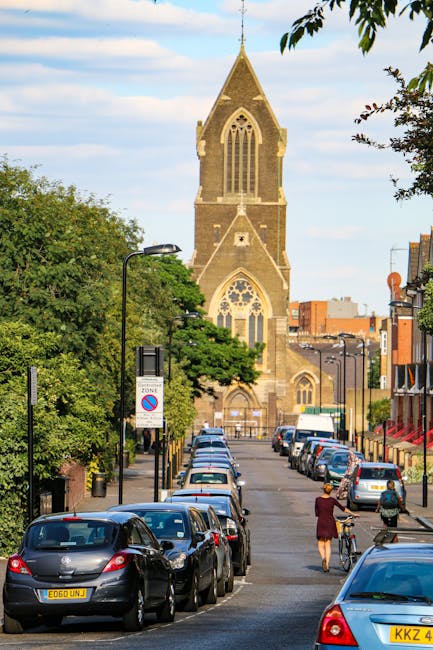
Best routes for removals via Rye Lane to Nunhead, SE15
Posted on 06/05/2026
If you're planning a move around Nunhead, the route matters more than people first expect. A van can be packed perfectly, but if the driver gets caught behind a school run, a tight corner, or a patch of roadworks, the whole day starts to feel heavier than it should. That's why understanding the best routes for removals via Rye Lane to Nunhead, SE15 is so useful: it helps you reduce delays, protect your items, and make the move feel calm rather than chaotic.
This guide looks at the most sensible ways to approach a local removal in and around Rye Lane, what to watch for on the road, when a smaller van makes more sense, and how to plan the move so the journey is efficient from the first lift to the last box. If you're moving a flat, a family home, or just a few bulky pieces, a little route awareness goes a long way. Truth be told, it can save a surprising amount of stress.
For readers who are still in the early planning stage, it may also help to look at this organised packing plan for house moves and the four-week decluttering plan so the road journey is not fighting against a messy packing job.
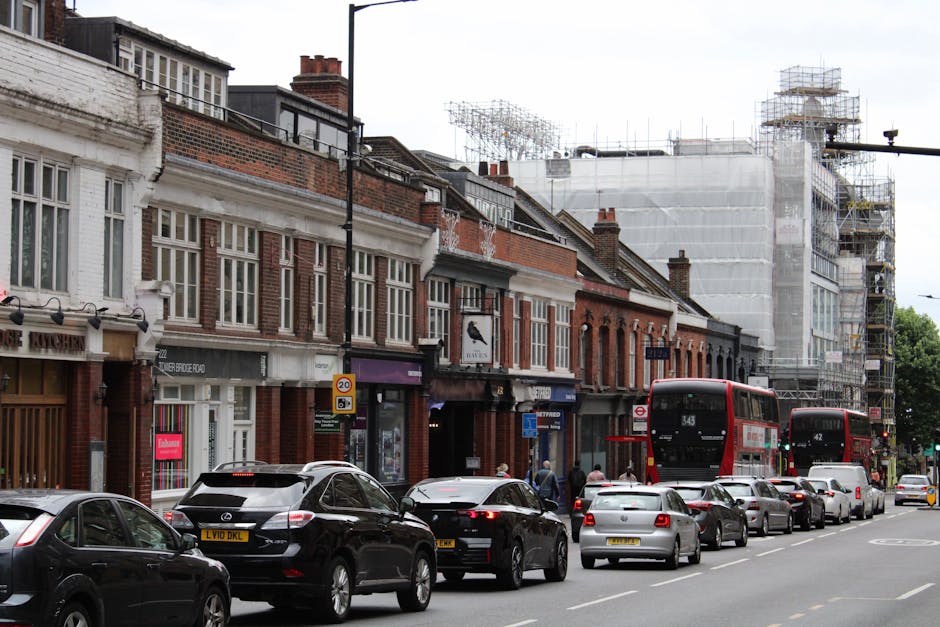
Why Best routes for removals via Rye Lane to Nunhead, SE15 Matters
Rye Lane sits in a busy part of South London, and that instantly changes how a removal should be planned. This is not the place to assume a van can simply glide through on autopilot. Street activity, bus traffic, delivery vehicles, and everyday local movement can all affect timing. Add in the usual moving-day pressure, and even a short journey can become the weak link in the chain.
The route matters because removals are about more than distance. A route that looks short on a map might be awkward for a wider van, difficult for parking, or slower at certain times of day. In our experience, the best move is not always the fastest-looking one. Often, it is the one that reduces stops, avoids unnecessary turns, and gives the driver a cleaner run into Nunhead.
There's also the human side of it. If you're moving from a top-floor flat, or carrying a sofa that has already tested everyone's patience, you do not want to add extra walking distance from a poor parking choice. You want the vehicle close, the loading sensible, and the drop-off straightforward. That is where route planning stops being a nice extra and starts being a real advantage.
For many local moves, especially if you're using a compact vehicle, a service like man with a van in Nunhead or a more flexible man and van service in Nunhead can suit the street layout better than a larger rigid removal vehicle. A bit of common sense here saves time later.
How Best routes for removals via Rye Lane to Nunhead, SE15 Works
At a practical level, route planning for a local removal usually means choosing the road pattern that best balances accessibility, traffic flow, vehicle size, and loading conditions. For a move via Rye Lane into Nunhead, that often means thinking in layers:
- Main access route: the clearest road approach for the van.
- Last-mile access: the final stretch near the property, where parking and turning matter most.
- Loading route: the shortest safe path between the front door and the vehicle.
- Timing window: the time of day that avoids the worst pressure points.
In other words, you are not just choosing "how to get there." You are choosing how to make the whole removal work. A good route plan reduces wasted motion, keeps lifting to a minimum, and helps the crew stay focused. That matters whether you're handling a one-bedroom flat or a full house.
For example, if you are moving from a property near the busier parts of Rye Lane, you may prefer a route that keeps the vehicle on the more direct and manageable approach into Nunhead rather than trying to shave off a minute through side roads that are tighter or more congested. The exact choice will depend on the address, vehicle size, and time of day. There isn't one magical answer. There rarely is.
Once the route is chosen, the next step is matching the move type to the job. A house removal in Nunhead typically needs more planning than a single-item run, while a flat removal in Nunhead may depend more on stair access and parking than on distance.
Key Benefits and Practical Advantages
Choosing the right route gives you benefits that show up immediately on the day. Some are obvious, others are easy to overlook until something goes wrong.
- Less waiting time: a cleaner route means fewer unexpected pauses.
- Safer handling: less stop-start driving can reduce the chance of items shifting.
- Lower stress: if the van arrives when expected, the whole day feels more manageable.
- Better parking decisions: the correct approach often means better access at the property.
- Smarter vehicle choice: the route may help you decide between a compact van and a larger removal vehicle.
There's another advantage that doesn't get talked about enough: route choice can make the lifting easier. If the vehicle is closer to the entrance, the load-in and load-out becomes faster and less tiring. That is especially helpful for bulky furniture, white goods, or awkward-shaped items that do not enjoy being carried around corners. And let's face it, most bulky items are a bit dramatic about it.
If you are moving specialty items, route planning also helps you match the job to the right service. A delicate item may warrant piano removals in Nunhead, while everyday furniture could be better handled through furniture removals in Nunhead. Different items, different risks, different approach.
For people who want the process to feel smoother end to end, pairing route planning with a good moving-day routine is a smart move. The article on creating a seamless and stress-free moving day is worth reading alongside this one.
Who This Is For and When It Makes Sense
This kind of route planning is useful for almost anyone moving within SE15, but it becomes especially valuable in a few situations.
- Residents moving from or to Rye Lane: especially where road access is tight.
- Flat movers: when stairs, narrow entrances, or limited parking make timing important.
- Students: if you need a straightforward, lower-cost local move with a tight schedule.
- Families: where there are more boxes, more furniture, and a lot more moving parts.
- Office movers: if you need a move that works around business hours or staff access.
- Last-minute movers: when same-day flexibility matters and every minute counts.
If your move involves multiple bulky pieces, it may be worth reviewing removal van options in Nunhead or broader removal services in Nunhead to make sure the vehicle and crew fit the job properly. Not every move needs a full-scale operation, and not every move is light enough for a quick run with a small van.
One small but useful rule of thumb: if you can already picture where the van will stop, where the boxes will go, and how the largest item will turn through the doorway, you're ready to plan a route. If you can't picture that yet, pause and map it out first. It saves headaches. Simple, but true.
Step-by-Step Guidance
Here is a practical way to plan removals via Rye Lane into Nunhead without overcomplicating things.
- Confirm both addresses clearly. Make sure the pickup and drop-off points are accurate, including flat numbers, access gates, and any rear entrances.
- Check vehicle suitability. Think about whether you need a compact van, a larger removal van, or a flexible load arrangement.
- Look at the street layout. Note turning space, parking restrictions, busier junctions, and whether the property sits on a narrow road.
- Choose the least disruptive route. The best route is usually the one that offers steady access, not the one that looks clever on paper.
- Plan the loading order. Put the biggest or most awkward items in first, then build around them with stable boxes and lighter goods.
- Build in time buffer. Local traffic can move quickly one minute and stall the next. Give yourself breathing room.
- Keep essentials separate. Documents, keys, chargers, medication, and a kettle's worth of sanity should travel with you.
- Confirm parking and unloading. If needed, arrange a legal stopping point near the new address before the van arrives.
If your move includes beds or large mattresses, a little extra planning helps. You can read more on moving beds and mattresses safely so they do not become the awkward thing that slows everything down. Likewise, if you're shifting a sofa, these sofa storage and handling tips are helpful if the item needs to wait before setup.
For heavier pieces, don't wing it. One small slip on a step or pavement lip can cause more trouble than the item is worth. If needed, use guidance from this heavy lifting article and remember that sometimes the safest move is simply to get help.
Expert Tips for Better Results
These are the details that tend to separate a smooth local removal from a messy one.
- Move early or mid-morning where possible. Later hours can be more crowded and less forgiving.
- Use smaller loads if access is tight. A smaller van may be slower in theory, but faster in reality if parking is easier.
- Protect edges and handles. Tight streets and close doorframes can chip furniture faster than people expect.
- Keep a clear "first out, last in" plan. That stops useful items being buried under random boxes.
- Label by room and priority. It sounds basic, but it really helps once you arrive and the kettle is somewhere near the bottom.
One genuinely useful tip: if you are moving close to Nunhead Cemetery or through nearby residential streets, check whether the route feels more manageable on foot for the final carry than by trying to get the van too close. Sometimes the safest and fastest option is to stop slightly earlier and walk a short distance. Not ideal, maybe. But better than a tight manoeuvre in a bad spot.
If the move feels especially busy, the services page for removal services overview can help you think through what level of support you actually need. And for people who want to compare the practical options, removal companies in Nunhead is a useful next stop.

Common Mistakes to Avoid
Most removal headaches are preventable. The trouble is, they often look small right up until the moment they are not.
- Choosing route speed over access: the quickest-looking road is not always the easiest for a van.
- Ignoring parking reality: a good route with no legal unloading spot is still a bad plan.
- Underestimating bulky items: sofas, wardrobes, and appliances need more room than you think.
- Packing too late: if the boxes are still open while the van is waiting, the day starts to unravel.
- Not checking access restrictions: stairwells, doors, and communal entrances can all slow things down.
- Forgetting specialist handling: pianos, fragile furniture, and appliances deserve proper planning.
There's also a common emotional mistake: people try to make moving day look easier than it is. To be fair, nobody enjoys admitting they need a hand with a wardrobe or freezer. But a realistic plan is usually the calmer plan. If a piece is too awkward, use the right support, not bravado.
For large or valuable items, the specialist pages on piano removals and furniture removals are useful reminders that certain jobs simply need more than enthusiasm and a pair of gloves.
Tools, Resources and Recommendations
You do not need fancy equipment to make a local removal work, but a few simple tools help a lot.
| Tool or Resource | Why It Helps | Best Use |
|---|---|---|
| Maps app or route planner | Helps identify road access, turn patterns, and likely traffic pressure | Before booking the van and on the morning of the move |
| Strong labels and marker pens | Makes unloading faster and reduces confusion | Packing boxes by room or priority |
| Blankets, straps, and protection wrap | Protects furniture from knocks and keeps items stable | Loading larger or delicate items |
| Trolley or sack truck | Reduces lifting strain on heavier boxes | Short carries and ground-floor moves |
| Local moving guidance | Helps you plan around local access and moving-day expectations | When choosing a service level or arranging storage |
It also helps to combine route planning with preparation advice. If you are still packing, the article on organised packing for house moves is a strong companion piece. If you are downsizing or sorting out rooms before moving, the decluttering plan can save time, boxes, and frankly a fair bit of emotional clutter too.
For storage needs between addresses, storage in Nunhead may be a sensible option. And if you need boxes or packing materials, packing and boxes in Nunhead is the practical place to start.
Law, Compliance, Standards, or Best Practice
Local removals are not usually complicated from a legal point of view, but there are still standards and best practices worth respecting. The most obvious one is parking and stopping safely. If a van is loading or unloading near Rye Lane, it should do so in a lawful and sensible way, with attention to local restrictions and other road users. Blocking traffic or unloading in an unsafe position is a bad idea, even if it seems quicker in the moment.
From a business and service standpoint, reputable movers should also consider:
- Health and safety: safe lifting, load securing, and clear handling processes.
- Insurance awareness: knowing what is covered and what is not before anything is moved.
- Transparent terms: clear service expectations, pricing details, and cancellation information.
- Respectful conduct: careful handling of property, neighbours, and common areas.
If you want more detail on how these basics are handled, it is worth reading the site's health and safety policy and insurance and safety information. For booking confidence, the terms and conditions and payment and security pages can also be helpful, especially if you are comparing providers.
Best practice, really, is about keeping the move smooth without taking shortcuts that create risk later. A short delay is annoying. A damaged item or unsafe lift is much worse.
Options, Methods, or Comparison Table
There is more than one way to handle a removal via Rye Lane into Nunhead. The right choice depends on access, volume, and how much help you want on the day.
| Method | Best For | Pros | Trade-Offs |
|---|---|---|---|
| Man with a van | Smaller to medium local moves | Flexible, efficient, often ideal for tight streets | May not suit very large household loads |
| Removal van with more capacity | Larger furniture or fuller homes | More load space, fewer trips | Can be harder to park or manoeuvre nearby |
| Full removals service | Family homes, offices, or complex moves | More support with lifting and logistics | Usually more involved to arrange |
| Same-day removal | Urgent or short-notice situations | Fast response, useful when timing is tight | Less flexibility in scheduling and preparation |
For many local customers, a flexible option such as same-day removals in Nunhead or a straightforward removals service in Nunhead is the sweet spot. It gives you enough support without overcomplicating the day.
If you are moving a business or home office, office removals in Nunhead can be a better fit because the handling and timing are slightly different. Office moves often care more about downtime and access windows than domestic moves do.
Case Study or Real-World Example
Consider a fairly typical local move: a one-bedroom flat near Rye Lane, with a sofa, a bed frame, two bookcases, a small desk, and around twenty boxes. Nothing outrageous. Still, this is the sort of move where route planning makes all the difference.
The crew chooses a compact van rather than a larger vehicle because the road approach near the address is tighter than it first appeared. The pickup is scheduled earlier in the day, before the street becomes busier. The sofa is wrapped, the bed frame is dismantled, and the boxes are grouped by room so unloading is quick. At the Nunhead end, the van stops in the most sensible legal space available, and the final carry is short. No drama, no wasted walking, no one doing that awkward half-run with a kettle box.
What made the move work wasn't luck. It was a good route decision, a realistic estimate of access, and preparation that matched the property rather than the brochure version of it. That is the bit people sometimes miss. Local removals succeed when the plan fits the street.
If the customer had been a student, the approach might have been even lighter. The dedicated student removals in Nunhead page is relevant for anyone moving fewer items on a tighter budget or tighter deadline.
Practical Checklist
Use this simple checklist before your move via Rye Lane to Nunhead:
- Confirm the full pickup and drop-off addresses.
- Check whether the van can safely stop near both properties.
- Choose the smallest suitable vehicle for the access available.
- Label boxes by room and priority.
- Disassemble large furniture where possible.
- Protect delicate edges, corners, and surfaces.
- Keep essential items separate and easy to reach.
- Allow extra time for traffic or loading delays.
- Make sure the route avoids unnecessary tight turns where possible.
- Check if storage is needed between addresses.
- Read service terms, insurance details, and payment guidance in advance.
- Have phone numbers and keys ready before the van arrives.
If you want a better final-mile experience, the moving-out cleaning tips can help you leave one property in decent shape while the next one is being prepared. And if you're moving near the cemetery area or into a surrounding SE15 home, the guide to moving into homes by Nunhead Cemetery offers useful local context too.
Conclusion
The best routes for removals via Rye Lane to Nunhead, SE15 are not simply the shortest routes. They are the routes that fit the vehicle, the street, the timing, and the amount of lifting involved. If you plan access carefully, choose the right service level, and prepare your items properly, the move becomes much easier to manage. That is true whether you are shifting one sofa or a whole home's worth of belongings.
A smart local removal is really a series of small good decisions. The right route, the right van, the right packing order, the right arrival time. Nothing flashy. Just practical choices that keep the day moving. And honestly, that is what most people want: a move that feels controlled, not complicated.
Get a free quote today and see how much you can save.
If you are still deciding what kind of support you need, start with the service that matches your move and work outward from there. A calm move is usually a well-prepared one, and a well-prepared one tends to feel a lot lighter by the end of the day.