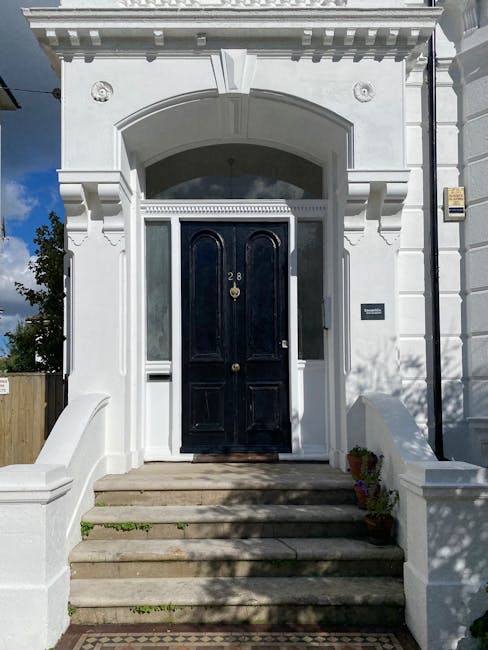
Handling narrow staircases in Victorian Nunhead houses
Posted on 10/06/2026
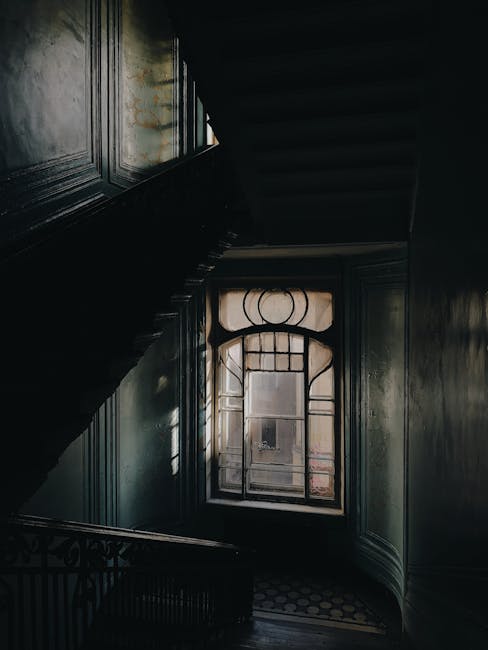
Victorian homes in Nunhead have a lot going for them: tall ceilings, original features, and that familiar London character you do not really get from newer builds. But if you have ever tried to carry a wardrobe, sofa, or mattress up one of those tight staircases, you will know the charm can vanish very quickly. Handling narrow staircases in Victorian Nunhead houses is less about brute force and more about planning, measurements, angles, patience, and the right moving method. Get it wrong and you are dealing with scuffed walls, damaged furniture, stressed neighbours, and a very awkward pause on the landing. Get it right, though, and the whole move feels calmer, safer, and far more controlled.
This guide walks through the practical side of moving furniture and household items through narrow Victorian staircases in Nunhead. We will cover what makes these staircases tricky, how experienced movers approach them, which items need special care, and how to avoid the usual mistakes. If you are planning a house move, a flat move, or even just shifting one bulky item in a tight stairwell, this is for you.
Why Handling narrow staircases in Victorian Nunhead houses Matters
In a Victorian property, the staircase often was never designed with modern furniture in mind. Think about the shape of the stairwell, the turn of the handrail, the tighter-than-expected landing, and the odd little pinch point where the plaster wall seems to lean in just enough to be annoying. In Nunhead, that becomes especially relevant because many homes and flats still carry the original bones of the building, even after decades of refurbishment.
That matters for a few practical reasons. First, safety: a heavy item on a tight staircase is harder to balance, especially when two people are trying to pivot it at an angle. Second, protection: narrow staircases leave very little room for error, so a single slip can chip paint, crack a banister, or tear fabric. Third, timing: what looks like a quick move can become a very slow one if the item needs to be turned, lifted, paused, and re-angled on every landing.
To be fair, the staircase is often the real bottleneck of the whole move, not the van. You may have perfect parking and a good route in, but if the stairs are tight, every item becomes a small puzzle. That is why experienced movers often start with the staircase, not the front door. The stairs tell you what is possible.
And in a place like Nunhead, where Victorian layouts can vary house by house, no two staircases behave exactly the same. One may have a generous half-landing and a useful curve; another may have a low ceiling over the turn. A tiny difference in geometry can change the whole approach.
How Handling narrow staircases in Victorian Nunhead houses Works
The process is usually built around three things: assessment, preparation, and controlled movement. That sounds simple, but the detail matters. Before any item is lifted, the stairwell should be checked for width, turning space, ceiling height, rail position, and any obstacles such as light fittings, mirrors, runners, or wall-mounted frames. Even a narrow hallway at the base of the stairs can alter the route.
In practice, movers often work item by item. A sofa might need to be stood upright. A bed base might need to be turned on edge. A wardrobe could have its doors removed and, if possible, the interior emptied so that it becomes lighter and easier to hold. For awkward shapes, the key is to reduce bulk, then choose the cleanest angle of travel.
Sometimes the item goes up or down in a straight line with a lift-and-walk motion. Sometimes it has to be tilted, rotated, and guided around the banister. And sometimes the honest answer is: it will not fit safely as-is. That is not failure, it is judgement. Better to stop, re-evaluate, and maybe use temporary storage in Nunhead than force a fitting that was never going to be kind to the staircase.
There is also coordination. One person needs to lead the lift, one to steady the rear, and someone should be watching the walls, corners, and foot placement. If there is a third person, even better. It sounds a bit old-school, but good moving is often a quiet team sport. No drama, just rhythm.
Key Benefits and Practical Advantages
Done properly, managing narrow staircases is not just about avoiding damage. It improves the whole move.
- Less risk of damage: careful handling reduces knocks to walls, skirting, banisters, and furniture edges.
- Better control: if each item is measured and planned, the move feels less rushed and less chaotic.
- Fewer delays: knowing in advance what will fit saves time on moving day.
- More confidence: when everyone knows the route and the order of lift, even a stubborn item becomes manageable.
- Lower stress: let's face it, no one wants moving day to turn into a stairwell standoff.
There is also a financial angle, though it is rarely discussed well. Good planning can reduce the chance of breakages, call-backs, and emergency replacements. It can also prevent that frustrating moment when a piece of furniture is half-way up the stairs and everyone realises it should have been dismantled earlier. That moment is always louder than it should be.
If you are moving a whole home rather than one item, good staircase handling links neatly with broader planning. A structured packing plan for the move makes it much easier to load the right items in the right order, which in turn helps reduce congestion at the stairs. The stairwell stays clearer. The move flows better. Simple, but powerful.
Who This Is For and When It Makes Sense
This advice is useful for a lot of people, not just large family moves. Victorian staircases in Nunhead can affect all sorts of situations.
- Homeowners moving in or out: especially if the property has original features and limited landing space.
- Flat movers: many upper-floor Victorian conversions rely on tight internal stairs rather than lifts.
- Students and sharers: beds, desks, and bookcases often need to be moved through awkward corridors and staircases.
- Anyone with large furniture: sofas, wardrobes, cabinets, and dining tables are the usual troublemakers.
- People working to a deadline: if completion day, tenancy handover, or key collection is fixed, there is less room for trial and error.
It also makes sense when you are dealing with specialist items. A piano, for example, is not something you casually turn on a landing and hope for the best. For that kind of move, a proper plan and the right lifting technique matter enormously, which is why some situations are best left to a dedicated piano removals service in Nunhead.
And if the move is more modest, say a single sofa or a bed frame, you may still want help from a trusted furniture removals team. The size of the job does not always match the difficulty of the staircase. That is the trap.
Step-by-Step Guidance
Here is the cleanest way to approach a narrow Victorian staircase without turning the day into a guessing game.
- Measure the awkward bits first. Check the width at the tightest point, the landing depth, ceiling height on turns, and the size of any large items.
- Identify what can be dismantled. Remove legs, doors, drawers, cushions, or shelving where safe and practical.
- Clear the route completely. Take away loose rugs, wall art, coat stands, bins, and anything that reduces elbow room.
- Protect the staircase. Use coverings on treads, bannisters, and corners if there is any chance of contact.
- Assign roles before lifting. One person leads, one supports, one watches the route. Don't improvise mid-carry unless you absolutely have to.
- Test the angle with a light move. If possible, start with a smaller item to see how the stair turn behaves.
- Move slowly on the turn. This is where most people rush. Resist that urge.
- Pause if the lift feels unstable. Put the item down safely and reassess. No shame in that at all.
- Use storage if needed. If one item is causing the bottleneck, remove it from the day's plan and bring it back later.
A practical example: a double mattress might fit fine through the front door, but on a tight staircase it can behave like a sail in a wind tunnel. Standing it upright can help, but only if the turn allows for that height. If not, the stairwell wins. In those cases, a specialist approach to bed and mattress moving can save a lot of frustration.
If you are moving multiple bulky items, it helps to think in sequences. Put the hardest piece first while the team is fresh, then work down to easier loads. By the end of the day, nobody wants to wrestle a wardrobe while running on tea and packet biscuits. Truth be told, the biscuits help, but they do not do the lifting.
Expert Tips for Better Results
Here is where the little details make a big difference. These are the things that tend to separate a smooth move from a stressful one.
- Pre-wrap sharp edges. Corners on beds, tables, and wardrobes are the usual culprits for wall damage.
- Lift with the item close to the body. That gives better control and reduces wobble.
- Do a "landing rehearsal". Before the real carry, stand at the landing and check how the turn will happen.
- Use good shoes. Grip matters on painted stairs or older treads that can feel slightly slick.
- Keep communication short and clear. Simple calls like "stop", "tilt", and "hold" work better than long explanations in the middle of a lift.
- Prepare the destination room too. If the room at the top is full of boxes, the last thing you want is to arrive with a heavy item and nowhere clean to put it.
One small but useful habit: take a quick look at the wall texture and paint condition before you start. Older Victorian finishes can mark more easily than modern surfaces, so even a light brush can leave a trace. Better to know that before the first corner goes round the bend.
If you are doing the move yourself, it may help to learn a bit about safe body mechanics first. A short read on kinetic lifting principles can give you a sensible feel for balance and movement, while heavy-lifting techniques for moving day is useful if you want a more practical take. Not glamorous reading, admittedly, but useful. Very useful.
Common Mistakes to Avoid
The same errors crop up again and again in staircase moves. Once you know them, they are easier to sidestep.
- Skipping measurements: guessing usually ends badly. A few centimetres can make all the difference.
- Trying to force a fit: if it scrapes on the way up, it will scrape harder on the way down.
- Leaving drawers and contents inside: extra weight makes everything less stable.
- Moving too quickly on the turn: this is where items twist and arms get caught awkwardly.
- Ignoring the walls and railings: even careful lifting can cause damage if the route is not protected.
- Too many people, not enough coordination: more bodies in a narrow space can make things worse, not better.
Another common one is assuming the same solution works for every item. A sofa, a freezer, and a wardrobe all behave differently in a stairwell. A freezer, for example, may need special handling so it remains upright as much as possible and is not tipped in a way that affects its integrity. If that is part of your move, it is worth reviewing smart storage advice for freezers before moving day.
And yes, sometimes people delay decluttering because they think they will deal with it "on the day". That is brave. Also slightly chaotic. A better option is to reduce the load beforehand, perhaps with a four-week decluttering plan, so the staircase is only dealing with items worth keeping.
Tools, Resources and Recommendations
You do not need a van full of specialist kit for every move, but the right tools can make a difficult staircase much easier to manage.
| Tool or resource | What it helps with | Why it matters in Victorian staircases |
|---|---|---|
| Furniture blankets | Protecting surfaces | Reduces scrapes against walls and bannisters |
| Gloves with grip | Holding awkward items | Helps with stability on turns and landings |
| Measuring tape | Checking clearances | Essential for tight stair wells where guesses fail |
| Floor or tread protection | Reducing impact and scuffing | Useful when treads are older or freshly decorated |
| Dismantling tools | Removing legs, frames, shelves | Can turn an impossible carry into a manageable one |
| Professional moving support | Planning and heavy lifting | Often the safest choice for complicated access |
For many people, a combined approach works best. They handle the packing, sorting, and light items themselves, then bring in outside help for the heavier loads or awkward stair access. If that sounds like your situation, a man and van service in Nunhead can be a sensible middle ground. For fuller home moves, the broader support offered by house removals in Nunhead may be more appropriate.
If the staircase issue is only one part of a bigger move, do not forget packing supplies. A sturdy set of boxes from packing and boxes in Nunhead makes it easier to keep the load balanced and prevent loose items from shifting mid-carry. That small detail often gets overlooked until a box pops open halfway up the stairs. Nobody wants that.
Law, Compliance, Standards, or Best Practice
For moving furniture in homes, the main thing to understand is that safety and care are expected best practice, even when a job looks informal. In the UK, movers and householders should think in terms of general safety duties, sensible manual handling, and protecting people and property. You do not need a legal lecture to know that lifting something too heavy, without control, is asking for trouble.
Best practice usually includes:
- carrying loads that are suitable for the team and the route;
- using enough people for awkward items;
- avoiding movement where visibility is poor;
- keeping stair routes clear;
- pausing when a lift is unsafe rather than pushing on.
If you are hiring a mover, it is reasonable to ask how they handle access risk, whether they carry insurance, and how they approach stair protection. Those are sensible questions, not fussiness. Good operators should be comfortable answering them in plain English. If they are not, that tells you something.
For peace of mind, many people also look at the company's published information on health and safety, insurance and safety, and terms and conditions. That is not overcautious. It is just sensible due diligence, especially when staircases are tight and valuable items are involved.
Options, Methods, or Comparison Table
Different moves need different approaches. Below is a simple comparison to help you decide what suits your situation.
| Approach | Best for | Pros | Limitations |
|---|---|---|---|
| DIY with friends | Small, light, straightforward items | Low cost, flexible timing | Higher risk if the staircase is very tight or the item is bulky |
| Man and van support | Medium-sized moves and mixed loads | Practical, efficient, often ideal for local moves | May still need pre-planning for awkward items |
| Full removal service | Larger homes, multiple bulky items, time-sensitive moves | More comprehensive handling, better coordination | Usually more involved than a basic lift-and-load job |
| Storage-first approach | When access is too tight for everything at once | Reduces pressure on moving day, protects items | Requires an extra step and planning |
In a Victorian house, the most sensible method is not always the cheapest on paper. It is the one that gets the item through the staircase without damage or stress. That can mean choosing flat removals support in Nunhead for upper-floor properties, or using broader removal services when access is more complicated than expected.
For items that are especially awkward, timing matters too. Some moves are easier early in the day when everyone is alert and the staircase is clear. Others benefit from a slower rhythm later on, once the home is properly prepped. There is no one perfect answer. The staircase decides, a bit.
Case Study or Real-World Example
Here is a realistic scenario from the kind of move people often face in Nunhead. A couple moving out of a Victorian terrace had a two-seater sofa, a bed frame, a mattress, a small freezer, and a heavy chest of drawers. The staircase turned sharply at the first landing and had a low ceiling on the upper bend. At first glance, it looked manageable. In practice, it needed a proper plan.
They started by measuring the sofa and bed frame against the staircase. The sofa was too awkward to turn in one piece, so the legs were removed and the route was protected. The bed frame was dismantled. The mattress went last, because it was light enough but still awkward to angle through the turn. The freezer was kept upright as much as possible and moved only after the route was fully clear.
The thing that made the difference was not strength. It was sequence. The heaviest, most awkward item was handled first while the team was fresh. The landing was kept empty. Everyone knew when to pause. There were a couple of moments where the sofa felt like it might not want to cooperate, which, to be honest, is exactly how a lot of Victorian staircases behave. Slightly offended. But everything got out safely.
If the move had been more compressed for time, they could have used same-day removals in Nunhead for quicker coordination, or even planned around a route-specific issue such as small-van access tips if the street access itself was tight. That is the thing about local moves: the staircase is only part of the puzzle.
Practical Checklist
Use this as a final run-through before moving day.
- Measure the staircase, landing, and largest items.
- Check whether furniture can be dismantled.
- Clear hallways, landings, and the top and bottom of the stairs.
- Protect surfaces that are likely to be knocked or brushed.
- Decide who will lead, support, and watch the route.
- Pack heavy items into smaller, manageable loads where possible.
- Keep tools, tape, and blankets ready before the lifting starts.
- Have a backup plan for items that do not fit safely.
- Allow extra time for turns, pauses, and awkward angles.
- Book professional help if the staircase or item feels borderline.
One practical final thought: if you are moving because of a deadline such as an end-of-tenancy handover or urgent change of plans, do not leave the awkward items to the very end. If the stairs defeat the day's schedule, everything else follows. That is where a fast-response option like emergency eviction removals can be reassuring when time is tight.
Get a free quote today and see how much you can save.
Conclusion
Handling narrow staircases in Victorian Nunhead houses is really about respecting the building and planning around it, rather than fighting against it. Once you accept that the staircase has a say in the move, everything becomes more sensible. Measure properly. Dismantle what you can. Protect the route. Keep the team calm and coordinated. And do not be shy about asking for help when a piece of furniture is simply too awkward to risk.
Victorian homes have character, yes. They also have opinions. The good news is that with the right approach, those narrow staircases stop feeling like obstacles and start becoming just another part of the move to manage well. That is the difference between a stressful day and a controlled one. And honestly, controlled is much nicer.
For readers planning a fuller move, it can also help to look at the wider journey, from route planning in local streets to the final unloading. A calm move is almost always a prepared move. Small details, steady hands, and a bit of patience. That usually does it.